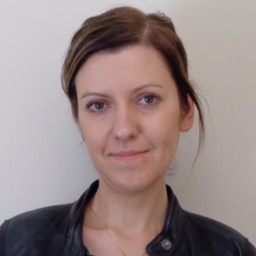
Ewa Polit
BACP
7 years in practice English, Polish
Compassionate counsellor for parenting and trauma
- Stress, Anxiety
- Trauma and abuse
- Self esteem
Counsellors for parents
31 UK counsellors who work with parents name Polish among the languages they offer sessions in.
Accessing therapy in your native language can make it easier to express feelings, cultural nuance, and family dynamics. Below you can browse Polish-speaking therapists who list Polish among their languages.
Use the profiles to learn about approaches, focus areas and professional backgrounds to help you find a good match.
BACP
7 years in practice English, Polish
Compassionate counsellor for parenting and trauma
BACP
20 years in practice English, Polish
Support for parents facing relationship and life stress
BACP
15 years in practice English, Polish
Supportive counsellor for parenting and life changes
BACP
3 years in practice English, Polish
Practical support for stress and life changes
BACP
9 years in practice English, Polish
Practical, people-focused counselling
BACP
5 years in practice English, Polish
Empathetic counsellor for practical change
BACP, NCPS
13 years in practice English, Polish
Practical counselling for parenting challenges
3 years in practice English, Polish
Supportive counsellor for parenting and life stress
4 years in practice English, Polish
Practical support for stressed parents
BACP
17 years in practice English, Polish
Gentle, practical support for relationship and parenting concerns
BACP
4 years in practice English, Polish
Calm practical support for stressed parents
BACP, NCPS
7 years in practice English, Polish
Empathic counsellor for parenting and life strain
BACP
3 years in practice English, Polish
Practical, person-focused support for overwhelmed parents
7 years in practice English, Polish
Supportive counsellor for stressed parents and individuals
BACP
5 years in practice English, Polish
Practical, respectful counselling for parenting and relationships
BACP
4 years in practice English, Polish
Caring integrative counsellor for everyday challenges
BACP
11 years in practice English, Polish
Understanding past patterns, finding practical steps
BACP
4 years in practice English, Polish
Compassionate psychodynamic counsellor for parents
BACP
5 years in practice English, Polish
Supportive integrative counsellor for parenting and relationships
BACP
4 years in practice English, Polish
Calm, practical support for parents
BACP
3 years in practice English, Polish
Compassionate counsellor blending practical and reflective work
BACP
2 years in practice English, Polish
Nurturing, practical counselling for everyday struggles
BACP
3 years in practice English, Polish
Compassionate counsellor for parenting and life challenges
BACP
12 years in practice English, Polish
Supportive counsellor for parenting and anxiety
NCPS
4 years in practice English, Polish
Experienced integrative therapist for parents and adults
BACP
10 years in practice English, Polish
Experienced counsellor for everyday struggles
BACP
6 years in practice English, Polish
Compassionate counsellor for parenting and life changes
BACP
20 years in practice English, Polish
Compassionate counsellor for parenting and life changes
BACP
9 years in practice English, Polish
Calm, practical support for life challenges
BACP, NCPS
6 years in practice English, Polish
Compassionate counsellor for life and parenting challenges
BACP
3 years in practice English, Polish
Compassionate counsellor for life and parenting challenges
Some links on this page are partner links. We will earn a commission if you sign up through one, at no cost to you. It does not change what you pay or the order of the listings.
When you speak in your native language you often reach subtleties of meaning, emotion and memory that are harder to access in a second language. Therapy that takes place in Polish gives you the option to name experiences, use idioms and recall early relational memories with greater ease. That matters because the way you talk about feelings shapes how you experience them. For many people who grew up in Polish-speaking households, certain concepts and family roles are most naturally discussed in Polish. Having a therapist who understands those linguistic and cultural references can reduce time spent explaining basic context and allow sessions to focus on what matters to you.
Language also carries cultural values, humour and ways of coping that are not always translatable. You may find that grief, shame or pride are expressed differently in Polish than in English, and a Polish-speaking counsellor can listen for those nuances. Therapy in your first language can create a sense that your experiences are seen within the framework you already understand, which can make it easier to explore difficult topics and to test out new ways of relating to yourself and others.
Working through emotional pain requires precise expression. If you are not fully comfortable with the vocabulary and emotional registers of English, you might find it harder to identify what you feel or to communicate needs. Misunderstandings about tone, metaphor or intent can lead to frustration or the sense that your story is being reduced. This is particularly true for abstract feelings or culturally bound beliefs that are embedded in family expectations and migration histories.
Language barriers can also shape the therapeutic relationship itself. You may be more likely to hold back, to use short answers or to lean on cognitive descriptions rather than emotional detail. That is understandable and does not mean therapy will not help, but it means you may need more time to build trust and to find the words that match your inner life. Choosing to work in Polish reduces the need to translate emotions on the spot and can open a more direct route into emotional processing, particularly when discussing childhood patterns, parenting questions or identity issues tied to language and culture.
Online therapy sessions in Polish follow a familiar structure while offering flexibility around location. Your first sessions are likely to involve discussing what brings you to counselling, your goals and any practical considerations such as session length and fees. The way a counsellor works will vary; many will describe the approaches they use and the client groups they support. Profiles often note if a counsellor lists particular approaches among their methods, but this is not the same as a formal accreditation in any single modality.
During sessions you can expect to use Polish for personal storytelling, exploration of family dynamics and present-day concerns. Some clients choose to switch between Polish and English depending on the topic and the words that feel most precise. Technology allows you to work from home, from your workplace during a break, or from another setting where you feel comfortable. If you are seeking a counsellor in the UK, you may also find practitioners who are registered with recognised UK professional bodies and who understand the local context for parenting, education and health services. Sessions conducted online still prioritise a strong therapeutic relationship - clarity, empathy and respectful questioning remain central whether you meet over video or in person.
Many Polish speakers worry about stigma within family and community. Older generations may see counselling as unnecessary or even shameful, which can make the first step feel risky. You may be concerned about how to explain therapy to relatives, or you might fear being judged for feeling overwhelmed. It is common to worry that cultural differences will not be understood, or that a counsellor will not appreciate the pressures of migration, language loss or bicultural parenting.
Finding therapists who speak Polish can feel challenging, especially if you are searching in an English-speaking environment. It helps to think about what aspects of culture matter most to you - is it language alone, or is shared cultural background, religious understanding or a similar migration story? Some clients prefer a Polish-born counsellor who understands specific social expectations, while others prioritise a practitioner who is experienced in working with families, adolescence or perinatal concerns and who also speaks Polish. Remember that profiles typically list languages spoken and approaches used so you can identify practitioners who mention Polish and those who list relevant areas of focus.
Online counselling expands the pool of practitioners who can work with you in Polish. You are not limited to local adverts or word of mouth in your immediate area. This is particularly helpful if you live in a region with few Polish-speaking professionals or if you prefer to keep sessions away from your community. Online work also provides scheduling flexibility, which can be useful if you balance work, family and childcare. The ability to meet from a familiar environment may help you feel more at ease when discussing personal topics.
Start by thinking about the issues you want to address and the qualities you value in a therapist. Read profiles carefully to see which counsellors list Polish among their languages and which approaches they mention. Profiles will often outline areas of focus like parenting support, anxiety, relationships or perinatal mental health; use that information to narrow your search. Look for descriptions that feel clear and professional, and note whether a counsellor is registered with recognised UK professional bodies if that matters to you. When you make initial contact, consider asking about the counsellor's experience with issues similar to yours and about the style of sessions - whether they tend to be more exploratory, practical or relational.
Trust your instincts when reading profiles and during first conversations. It is normal for rapport to develop over a few sessions, but you should feel respected and heard from the start. If cultural understanding is especially important to you, explain that early in the process so you can see how the counsellor responds. Finally, consider practical matters such as session length, fees and how cancellations are handled; these logistical details help you build a sustainable approach to therapy alongside the emotional work.
Seeking therapy in Polish is a practical step that can deepen communication, honour cultural context and make it easier to explore sensitive topics. By using the information available in profiles and by reflecting on what matters most to you, you can find a counsellor who speaks your language and who can support you on the next part of your parenting and personal journey.