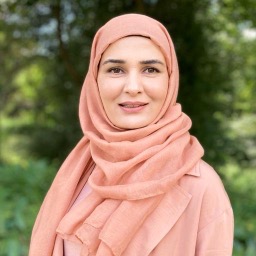
Faiza Malik
BACP
27 years in practice English, Punjabi
Practical, experience-led support for parents and individuals
- Stress, Anxiety
- Relationship
- Eating
Counsellors for parents
35 UK counsellors who work with parents name Urdu among the languages they offer sessions in.
Speaking with a therapist in Urdu can help you express feelings, cultural meaning and family experiences more naturally. Below you can browse profiles of Urdu-speaking therapists who work with parents, children and adults. Use the listings to find clinicians whose approaches and focus areas match your needs.
BACP
27 years in practice English, Punjabi
Practical, experience-led support for parents and individuals
BACP
4 years in practice English, Urdu
Practical support for parenting and life challenges
BACP
5 years in practice English, Hindi
Supportive BACP counsellor for pressured parents
HCPC
14 years in practice English, Hindi
Supportive counsellor for stress and parenting concerns
BACP
12 years in practice English, Hindi
Calm listener offering practical, person-centred help
BACP
12 years in practice English, Punjabi
Supporting parents and stressed adults
BACP
6 years in practice English, Urdu
Warm, relational counselling with practical focus
BACP
9 years in practice English, Hindi
Calm, practical support for everyday challenges
BACP
5 years in practice English, Hindi
Calm, practical counselling for everyday struggles
BACP
9 years in practice English, Urdu
Practical support for parents and stress management
8 years in practice English, Hindi
Calm, practical support for parenting pressures
BACP
6 years in practice English, Punjabi
Practical, culturally aware counselling for everyday struggles
BACP
19 years in practice English, Hindi
Calm client-centred counselling for parents
BACP
4 years in practice English, Hindi
Compassionate person-centred support for parents and individuals
BACP
6 years in practice English, Punjabi
Compassionate support for everyday struggles
37 years in practice English, Hindi
Practical counselling for parents and adults
BACP
15 years in practice English, Punjabi
Experienced BACP counsellor for parenting and stress
16 years in practice English, Hindi
Compassionate counsellor for parenting challenges
BACP
4 years in practice English, Bengali
Calm, practical counselling for life changes
BACP
4 years in practice English, Hindi
Warm practical support for parenting and relationships
BACP
5 years in practice English, Bengali
Empathic counsellor for relationship and parenting concerns
BACP
8 years in practice English, Hindi
Supportive counselling for stress and parenting
BACP
4 years in practice English, Punjabi
Calm, practical support for parenting and life transitions
BACP
7 years in practice English, Urdu
Calm, practical support for parenting and life changes
BACP
4 years in practice English, Hindi
Calm guidance for parenting and life changes
BACP
9 years in practice English, Hindi
Calm, practical counselling for parenting and life stressors
BACP
4 years in practice English, Hindi
Supportive counsellor for parenting and life changes
BACP
3 years in practice English, Punjabi
Compassionate, practical support for parenting and life changes
BACP, NCPS
4 years in practice English, Hindi
Compassionate talking therapy for practical change
BACP
5 years in practice English, Hindi
Understanding support for stressed parents and adults
BACP
7 years in practice English, Urdu
Practical, person-focused counselling for parents and adults
BACP
3 years in practice English, Punjabi
Supportive counsellor for parenting and stress
BACP
21 years in practice English, Gujarati
Support for parents and life stressors
BACP
22 years in practice English, Punjabi
Practical, person-centred support for parenting pressures
NCPS
15 years in practice English, Urdu
Practical, compassionate counselling for everyday challenges
Some links on this page are partner links. We will earn a commission if you sign up through one, at no cost to you. It does not change what you pay or the order of the listings.
When you talk with someone in your first language you are more likely to access the subtle words and cultural references that shape how you feel. Emotional nuance often lives in idioms, stories and familial expressions that do not translate easily. If English is a second language for you, describing distress, shame or relief in Urdu may let you reach parts of an issue that feel difficult to name otherwise. That can be especially important when therapy explores family dynamics, migration history, grief, identity and parenting practices that are rooted in cultural values.
Speaking Urdu with your therapist can also reduce the cognitive load of switching between languages. You may find it easier to think through complex problems, recall memories and respond spontaneously. These differences matter in session work because therapy relies on accurate expression and shared understanding. A therapist who speaks your language can bring conversational fluency that helps you focus on exploration and healing rather than translation.
Language barriers can influence how you experience each stage of therapy. If you use a second language you might avoid certain topics because you cannot find the exact words, or you might rely on simpler phrases that mask underlying emotion. Misunderstandings can arise when cultural norms are not shared, for instance when a phrase carries a different connotation in Urdu than in English. These small gaps can build up over time and affect the depth and pace of progress.
Interpreting services are one option, but working with a therapist who speaks Urdu removes the intermediary and allows you to control the flow of conversation. When you do use an interpreter you may notice shifts in tone or timing that change how comfortable you feel. You should also be aware that therapy involves more than language alone - it depends on cultural sensitivity, respect for traditions and an ability to discuss family roles and community expectations. Choosing a therapist who understands cultural context alongside language can help you avoid repeated explanations and free up session time for therapeutic work.
If you choose to work online you will find that many aspects of traditional face-to-face therapy translate well to a virtual setting. Sessions usually follow a familiar rhythm - an initial conversation to understand your concerns, collaborative goal-setting and ongoing review of progress. When sessions are held in Urdu you can expect to use the same conversational cues and cultural references you would in person, which can make remote work feel more personal and effective.
Practically, online therapy means you will use a video or telephone connection for sessions. You might prefer video when non-verbal cues are important, because facial expression and body language add meaning to words. Some clients opt for telephone work when visual presence feels difficult. Either way, plan to be in a quiet, comfortable environment that lets you focus on the conversation. Before you start, you can read therapist profiles to learn about their areas of interest, approaches and whether they list particular methods such as cognitive-behavioural techniques, family systems work or narrative approaches among their approaches.
Expect an initial assessment conversation where you explore what brings you to therapy and how you want to work. Sessions are typically time-limited in the short term or open-ended for longer work, depending on your needs and the therapist's way of working. Online sessions require reliable internet or a strong phone signal. You do not need specialist equipment - a smartphone, tablet or laptop with a camera and microphone will often be enough. If you are concerned about how to use the technology, most clinicians will explain the process in simple steps so you can focus on the therapeutic work.
Many Urdu speakers worry about stigma within families and communities. Therapy can be seen as something personal or shameful in some cultural circles, particularly where mental health is not openly discussed. You may be concerned about how family members will react, or whether seeking help will be interpreted as a personal failing. These worries are understandable and often come up as early topics in therapy. A therapist who understands cultural values around honour, gender roles and family responsibility can help you navigate conversations with relatives while preserving your sense of autonomy.
Another common concern is finding a therapist who understands migration-related issues such as loss of social networks, changes in parenting expectations, or the strain of adjusting to different social systems. If you want to discuss faith, language transmission to children, or intergenerational conflict, mention these priorities when you read profiles. Many therapists list specialisms or focus areas; looking for those that relate to family relationships, parenting, trauma or grief can help you identify clinicians who have experience with similar themes.
Online therapy widens the pool of clinicians you can consider, so you are more likely to find someone who speaks Urdu and understands your cultural background. You can talk with therapists across the UK rather than being limited by geographic proximity. That flexibility can be valuable if you live in an area with fewer bilingual practitioners. Online work also allows you to schedule sessions around family responsibilities and travel less, which can make ongoing therapy more manageable.
When choosing an Urdu-speaking therapist, focus on several practical criteria. Read their profile to see the issues they list and whether those match your concerns. Note the approaches they mention and remember that a listing of a method does not guarantee formal training - it simply indicates the approaches a therapist uses. Check whether they note registration with UK professional bodies, as registration shows they are recognised by a regulating organisation. Consider the populations they describe working with, such as parents, young people or couples. Pay attention to written tone and languages spoken to see whether their way of describing work resonates with you.
When you contact a therapist, briefly outline the reasons you are seeking therapy and any practical needs you have, such as language preference or if you prefer video or telephone sessions. You can ask about how they work with clients who share your cultural background without asking about availability. Trust your reaction to the initial conversation - you should feel heard and able to explain what matters most to you. If the style does not fit, it is reasonable to continue your search; finding the right match can make a large difference to how comfortable and engaged you feel.
Seeking therapy in Urdu is an important step that can open space for deeper expression and understanding. Whether you are dealing with parenting pressures, migration stress, relationship issues or personal wellbeing, speaking your first language in therapy can help you communicate more clearly and feel more seen. Use the directory to explore profiles, learn about different approaches and choose a clinician whose description fits the kind of conversations you want to have.