
- Years in practice
- 3
- Languages
- English
- Focus
- Trauma and abuse
- Focus
- Self esteem
- Focus
- Depression
About Megan
Megan Flanagan is a counsellor who uses a human-centred approach to shape therapy around each person. She focuses on making therapy practical and personal, helping people reclaim a sense of who they are. Megan draws on three years of experience and holds BACP and NCPS credentials.
Megan begins by building a trusting relationship. Sessions are guided by the client’s goals and priorities. She combines client-centred work with trauma-focused ideas, straightforward psychoeducation and creative ways to express feelings when that helps.
Background and approach
People come to Megan for many reasons. Some are coping with trauma, abuse or domestic violence. Others feel low self-esteem, postnatal depression, or struggle after major life changes.
She also supports those dealing with chronic illness, disability and the stress of caregiving. Megan has personal experience with postnatal depression and an abusive relationship, and she says that experience shapes how she listens. She aims to make the first step easier by being welcoming and down-to-earth from the start.
She works within the ethical frameworks of the British Association for Counselling and Psychotherapy and the National Counselling and Psychotherapy Society. That membership is listed as BACP and NCPS. Practical options include video calls, phone sessions, live chat and text-based messaging.
Sessions use a subscription model that can be cancelled at any time.
What Megan works with
Everything Megan lists, in their own terms. Parenting is the reason this directory exists; the rest shows what else Megan helps people with.
- Trauma and abuse
- Parenting issues
- Self esteem
- Depression
- Coping with life changes
- Abandonment
- Autism and Asperger Syndrome
- Avoidant personality
- BDSM, kink, and alternative sex culture
- Blended family issues
- Caregiver issues and stress
- Chronic pain, illness, and disability
- Communication problems
- Control issues
- Coping with natural or human-caused disaster
- Divorce and separation
- Domestic violence
- Drug and alcohol addiction
- Emptiness
- Forgiveness
- Guilt and shame
- Impulsivity
- Infidelity
- Isolation / loneliness
- Life purpose
- Multicultural concerns
- Obsessions, compulsions, and OCD
- Postpartum depression
- Pregnancy and childbirth
- Prejudice and discrimination
- Seasonal Affective Disorder (SAD)
- Self-love
- Sexual assault and abuse
- Sexuality
- Social anxiety and phobia
- Women's issues
- Workplace issues
- Young adult issues
Approaches Megan lists
Listing an approach is not evidence of training in it. This directory copies what each counsellor names and does not check training records.
How client-centred and trauma-focused work adapts online
Client-Centred Therapy places the person’s goals and experience at the centre of each session. The therapist listens closely, reflects what she hears and helps people find their own solutions. This approach can help with identity concerns, parenting stress and low self-esteem. Trauma-Focused Therapy concentrates on understanding and reducing the impact of traumatic experiences. It uses gentle, structured conversations and practical skills to help people feel safer in their day-to-day life. This approach is often used for those who have faced abuse or significant loss. Choosing the right approach is a collaborative process. Megan will talk through needs, goals and preferences to decide which methods to try first. Plans are adjusted as therapy progresses so the work remains relevant and useful. Online therapy offers practical benefits for many people. Video calls let you see body language and build rapport, while phone sessions work well when a camera isn’t needed or bandwidth is limited. Live chat and text-based messaging make short check-ins or reflective writing easier to fit into a busy day. These options make it simpler to access therapy from different locations and to pick a format that fits daily life.Questions people ask about Megan
What concerns does Megan commonly help with?
Megan works with people facing trauma and abuse, parenting challenges, low self-esteem, depression and coping with life changes. She also supports a range of related issues such as abandonment, chronic illness, and communication problems.
How would you describe her therapy style?
She uses a client-centred style that focuses on the person’s goals and experience, alongside trauma-focused approaches when needed. Sessions can include psychoeducation and creative exercises to make the work practical.
What experience does she bring to sessions?
Megan has three years of professional experience and draws on personal experience of postnatal depression and past abuse to inform her compassionate, down-to-earth approach.
Where is Megan based and what credentials does she hold?
She practices in the United Kingdom and lists membership of the British Association for Counselling and Psychotherapy (BACP) and the National Counselling and Psychotherapy Society (NCPS).
In which languages are sessions offered?
Sessions are offered in English.
What formats are available for talking with her?
Clients can choose video calls, phone sessions, live chat or text-based messaging depending on what suits them best.
How does pricing work for sessions?
Cost varies with location and therapist availability; sessions are provided through a subscription model that can be cancelled at any time.
How do I begin therapy with Megan?
Click the Start Therapy button, complete a short matching questionnaire, and then schedule sessions according to the therapist’s availability.
More counsellors who work with trauma and abuse
See all of them
Mark McConnell
BACP
3 years in practice
Practical support for parenting stress and anxiety
- Stress, Anxiety
- Trauma and abuse
- Grief

Joanne Bagwell
BACP
3 years in practice
Practical, compassionate support for stressed parents
- Stress, Anxiety
- Grief
- Self esteem
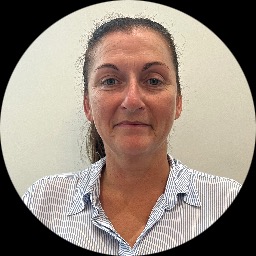
Jill Corbey
NCPS
4 years in practice
Supportive counsellor for everyday parenting challenges
- Stress, Anxiety
- Anger
- Depression