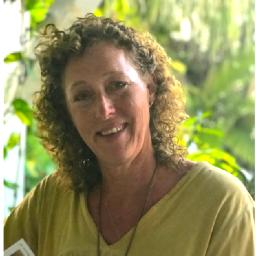
- Years in practice
- 6
- Registration
- BACP
- Languages
- English
- Focus
- Stress, Anxiety
- Focus
- Trauma and abuse
- Focus
- Self esteem
About Emma
Emma Firth offers a calm, practical space for parents who feel overwhelmed or stuck. She writes plainly and listens closely to what matters most. Emma aims to help people reduce stress, manage anxiety, and rebuild confidence so daily life becomes easier.
Emma trained and works in the United Kingdom and has six years of counselling experience. Before becoming a counsellor she practised as a speech and language therapist in the NHS.
Background and approach
She also continues part time with a charity that supports survivors of abuse. In sessions Emma focuses on clear, manageable goals. She helps people talk through trauma, grief, mood changes and relationship strain.
She also supports those coping with sleep and eating difficulties, caregiver stress and major life transitions. Her style is respectful and compassionate. Conversations and strategies are shaped around each person rather than using the same plan for everyone.
Emma aims to break problems into small steps so progress feels possible. Practical tools and simple routines often sit alongside talking work. People can expect a mix of emotional support, problem solving and real-life techniques they can try between sessions.
Emma highlights strengths and helps people build on what already works. If someone wants to explore parenting worries, life changes, or recovery after trauma, Emma can help them clarify next steps and create a plan that fits their life.
What Emma works with
Everything Emma lists, in their own terms. Parenting is the reason this directory exists; the rest shows what else Emma helps people with.
- Stress, Anxiety
- Trauma and abuse
- Self esteem
- Relationship issues
- Grief
- Intimacy-related issues
- Eating disorders
- Sleeping disorders
- Parenting issues
- Bipolar disorder
- Depression
- Coping with life changes
- Compassion fatigue
- Abandonment
- Aging and geriatric issues
- Attachment issues
- Body image
- Caregiver issues and stress
- Chronic pain, illness, and disability
- Codependency
- Commitment issues
- Communication problems
- Control issues
- Coping with natural or human-caused disaster
- Dependent personality
- Dissociation
- Divorce and separation
- Eating and food-related issues
- Family of origin issues
- Forgiveness
- Guilt and shame
- Isolation / loneliness
- Life purpose
- Midlife crisis
- Mood disorders
- Panic disorder and panic attacks
- Phobias
- Post-traumatic stress
- Self-love
- Sexual assault and abuse
- Smoking / vaping cessation
- Somatization
- Women's issues
- Young adult issues
How therapeutic approaches translate to online care
Emma uses evidence-based therapeutic techniques that focus on manageable change. One common approach she draws on is trauma-informed talking work, which helps people process difficult experiences at a pace they can manage and reduces the hold those memories have on daily life. Another common method is goal-focused problem solving, which breaks worries and routines into small steps and builds practical habits for sleep, eating and stress management.Finding the right approach is a collaborative process. The therapist will work with each person to choose methods that match their needs, goals and preferences, and will adjust the plan as progress is made. This means techniques can be tested and changed if something does not feel helpful.
Online therapy offers practical flexibility. Video calls allow face-to-face conversation when a deeper connection feels useful. Phone sessions can be easier when bandwidth is limited or when someone prefers not to be on camera. Live chat and text-based messaging suit short check-ins, brief reflections or fitting therapy into a busy day. Together these options make it simpler to keep up with regular sessions and try techniques in real life between meetings.
Questions people ask about Emma
What concerns does Emma commonly help with?
She supports people with stress, anxiety, trauma and abuse, self-esteem, relationships, grief, intimacy-related issues, eating and sleeping problems, parenting, mood disorders and life changes.
How would you describe Emma's therapeutic style?
Her approach is practical and compassionate with a focus on small, manageable steps and clear goals tailored to each person.
What is her background and experience?
Emma has six years of counselling experience and previously worked as a speech and language therapist in the NHS. She also works part time with a charity supporting survivors of abuse.
What credentials and location are listed?
She is registered with the British Association for Counselling and Psychotherapy, abbreviated as BACP, and practises in the United Kingdom.
Which languages and international options are available?
Sessions are offered in English and she is not currently accepting international clients.
What session formats does she offer?
Emma works online using video calls, phone sessions, live chat, and text-based messaging to suit different needs and schedules.
How are costs handled for sessions?
Pricing varies with location and therapist arrangements and sessions run via a subscription that can be cancelled at any time.
How do I begin working with Emma?
Start by selecting the Start Therapy button, complete a short matching questionnaire, and then schedule sessions based on the therapist's availability.
More counsellors who work with stress & anxiety
See all of them
Nyeema Yasin
BACP
3 years in practice
Practical, compassionate support for parents and adults
- Stress, Anxiety
- Relationship
- Trauma and abuse

John Odutemu
HCPC
12 years in practice
Compassionate counsellor for practical change
- Relationship
- Trauma and abuse
- Grief

Jacintha Canary
BACP
25 years in practice English, Afrikaans
Calm, experienced person-centred counsellor
- Stress, Anxiety
- Family
- Trauma and abuse